Children’s Basics
1. Understanding Wellness
While it is important, as parents, that we can look at the whole body and understand root causes, there are still times when we just need guidance on how to handle everyday, acute incidents like ear infections, strep throat, and fevers. In his book, “How to Raise a Healthy Child…in Spite of Your Doctor,” Dr. Robert S. Mendelsohn brought back the idea of putting the power of a child’s health in the hands of the parents. Before the specialty of pediatrics, so many aspects of children’s healthcare was based on education that was passed down from generation to generation. At some point, control was handed over to the medical system, and parents lost the confidence that they, in fact, know their child best and began to rely solely on the medical system to dictate the total health needs and procedures of their children. Like Dr. Mendelsohn, we believe that If parents can become better equipped with information and lay down our fears, then we can better know when to take our children to the doctor and when to keep them home. We can be empowered to use all our tools in our toolbox in conjunction to medical assistance when needed. This provides the best of both worlds. ☺
2. A Healthy Lifestyle for Life-Long Immunity
So, what can we do for our kids before any sickness even arrives? First, we need to become proactive in our mindset. We are a society that tends to wait till sickness arrives before we do anything. We treat symptoms, instead of thinking preventatively. But addressing key lifestyle changes can help keep our children from illness before it even begins. Here are a few immune supportive actions we can take today:
Address things such as infection, leaky gut, and overall toxin load that will wreak havoc on immune system.
Support emotions within the home. Mom and Dad - this means you,also. Stress always drives down immune function and leaves little room for mild illness. It’s ok for our kids to get the sniffles. They are building the strength of their immune system. But running down adrenal function will place extra stress on their bodies. We will talk in later modules about how to create the best environment in regard to stress, including: sleep, movement, and more.
Having good supportive foods that are giving both macro/micronutrients to the body, instead of toxin-heavy foods that are depleting the body of key nutrients
Hydration & Salt
3. Water
Making sure your child stays well hydrated before ever getting sick is also incredibly important. But hydration is not just chugging a bunch of water. Your child needs to be getting plenty of fluids on a daily basis. During times of detox, increase of activity such as sporting events, and illness even more hydration will be needed. What every child needs is going to differ depending on weight and other factors, but a good starting point is half their body weight in ounces. Keep in mind, this is pure water - not sports drinks, teas, lemonades, etc. Pure water. We have some healthier recipes for homemade electrolyte drinks we can share, as well, to be used when appropriate.
Importance of water in the optimal functioning of the human body:
Improves oxygen delivery to cells
Transports nutrients
Enables cellular hydration
Moistens oxygen for easier breathing
Cushions bones and joints
Absorbs shocks to joints and organs
Regulates body temperature
Removes wastes
Flushes toxins
Prevents tissues from sticking
Lubricates joints
Improves cell-to-cell communications
Maintains normal electrical properties of cells
Empowers the body’s natural healing process
Another aspect of staying hydrated, is having good mineral intake to keep electrolytes optimal and keeping the body’s electrical charge up. Water is dependent upon electrolytes for proper absorption! A good source of pink or grey salt is best. This is also helpful at keeping adrenals supported.
It can be very easy to focus heavily on root causes, EMFs, and other aspects of health. Many parents grab all the gizmos and gadgets, newest supplements and all the extra help such as tutoring, physical therapy, and emotional therapy to help their child they can easily forget one of the most basic and most crucial to our overall health - simple hydration.
That, and a little patience goes a long way. If supporting the body with good foods, great hydration, and a well supported environment, it should be primed to function well during seasons of illness.
Interesting Study done on Cognition and Hydration.
4. Children's Colds and Sickness
Disclaimer - We are happy to give 1:1 advice. Any support or supplements given to your child should not be taken as medical advice and should be checked with your PCP, Provider, or Practitioner. Also, as a parent we encourage every single family to do their own research, make informed decisions, and choose what feels best for them and their child.
Specific Signs and Symptoms:
Fevers are the body’s natural defense. They do not need to be feared, just monitored and the body supported. What should be a concern is a high fever above 103 or one that lasts days at a time. You are always encouraged to check in with your pediatrician if you are concerned, but we are here to help inform and prepare you as well.
A special note on fevers- the “normal range” for body temperature is 98.6, but keep in mind this isn’t the case for everyone. Your children might differ and it’s helpful to know if your child tends to run at 97 consistently, because in this case a temperature of 99 would be an increase, and one to keep an eye on. But if your child runs at 99 consistently, is checked and registers at 99, then that temperature can be mistaken as an infection. This might also change as your child’s root causes are addressed. Oxygen levels as well as temperatures are worth noting for your child. Writing them down and rechecking every so often can help you keep an eye on changes and will come in handy when they are not acting like themselves.
Other causes of fevers include:
Chronic infection- Chronically infected children often have unexplained fevers, especially at night.
Overheated - particularly after outside play on a hot day, or with two many layers at night
Overeating/consuming a heavy meal - often goes away on its own, given time.
One of the most difficult things to remember, however, when caring for our sick child is this:
The temperature of the fever does not determine the severity of the illness. Often a child’s temperature will not raise above 105, with a few extreme exceptions. And again, in those high temperature ranges, we encourage you to seek help from your pediatrician. However, lower fever acts to kill off pathogens within the body. With proper care, a child’s body can handle the fever and will potentially recover faster when fever is allowed to run its course. With safe guidelines set in place, and attention to not just the fever, but also to the child’s behavior. This will give you the best clues as to the condition of the illness. This is where being a parent shines over just letting the doctor tell you what is best. You know your child. You know their tendencies and you know when things are not right. Honor that intuition.
What are things that can be done during a fever? Hydration!!! Make sure your child is drinking plenty of fluids. 8 ounces every hour, is a great rule of thumb. Keep your child comfortable and resist the urge to force the fever down, unless it follows any of the special indications we talked about above. Especially when they are acting relatively like themselves, unless it has lasted more then a few days.
If fevers need to be brought down, we recommend the following:
Ginger tea
Lemon Balm
Peppermint and lemon essential oil on the bottom of the feet super diluted for most children can be used but be sure to check for appropriate age.
Never underestimate skin to skin. A back rub or snuggles can be incredibly effective at reducing fevers, as is prayer, as both reduce stress and inflammation.
Multi Purpose Infection Fighting Roll On – Dr Z (check for appropriate ages):
2 drops lemongrass
2 drops sweet or wild orange
2 drops oregano
2 drops tea tree
2 drops thyme
Instructions: Mix all oils in a 10 ml roller bottle. Fill the rest with fractionated coconut oil or jojoba oil. Put on bottom of kids feet before school each day.
Ear infections: This one can be difficult, because we cannot see what is hurting. The ear is so close to other parts of the body, it can be hard to know what is going on and hard for children to communicate their pain or discomfort.
Some tools that are helpful with ear infections include:
Chiropractic adjustments -If things are not able to drain properly then it will get backed up in the ear. Having proper alignment can be helpful at maintaining good drainage from the ear drum.
Garlic oil (ear oil)- can help infection in the ear and ease the pain.
Warm packs on the ear
Lemon oil diluted and applied outside the ear - never inside! Helps to move lymph around the jaw and neck so ear can drain properly.
Red light & PEMF therapy are helpful tools to include for healing
Headaches: Detective work can go along way here. There are many causes of headaches, but the following questions can help pinpoint cause, and offer ideas for the appropriate relief:
Is it associated with fever? Could be active infection.
Does it happen at the same time each day? Could be emotional or something like blood sugar/adrenals.
Does it happen in a particular environment? Could be mold or EMFs that are causing it.
Does it happen around particular foods? Especially with migraines, high oxalates can be problematic.
Are they going through a detox protocol and having a herx reaction?
Have they been drinking enough water?
Are they constipated and recirculating toxins?
Regardless, the pain is real. So what can we do to provide some relief? First, see if you can identify if the source can point to a change in behavior or environment for relief. If that isn’t enough, other ideas would include:
Hydration and salt
Putting hands in really warm water
Magnesium
Going for a walk
Red light (Therasage tri-light can be great for kids)
Castor oil pack on liver & castor oil over spot where headache is hurting
Essential oil blend (lots of good blends out there. Some things to look for would include peppermint, lavender, copaiba, frankincense, wintergreen)
And last, but not certainly not least, prayer.
Strep Throat: This is a topic that might be one of the hardest to digest. There is often so much fear around strep throat. Add that to new diagnoses of PANDAS in kids, and the fear is heightened. Did you know that antibiotics will only decrease the infection by a few days? This means the body is going to fight off the strep regardless of the antibiotic. It just shortens its lifespan. But what the antibiotic can do to the gut is another story.
So, what are some things you should do at home - especially within the first 3 days?
Maintain proper humidity in a child’s room when sick. When the air gets to0 dry it makes the body work harder for hydration, and makes the bacterial particles less dense so they are able to float in the air longer. By adding humidity, you might also help keep others in your household healthy.
Lots of fluids.
Help support body with things mentioned in headache & fever sections.
Local honey does amazing wonders at coating a sore throat.
Bone broth, can be another soothing and nutritional support
Popsicles and smoothies will help keep your child comfortable, be mindful of added sugars and dyes, though!
Immune gummies made with gelatin, juice, elderberry, vit c.
Bee Propolis
Reishi Mushroom
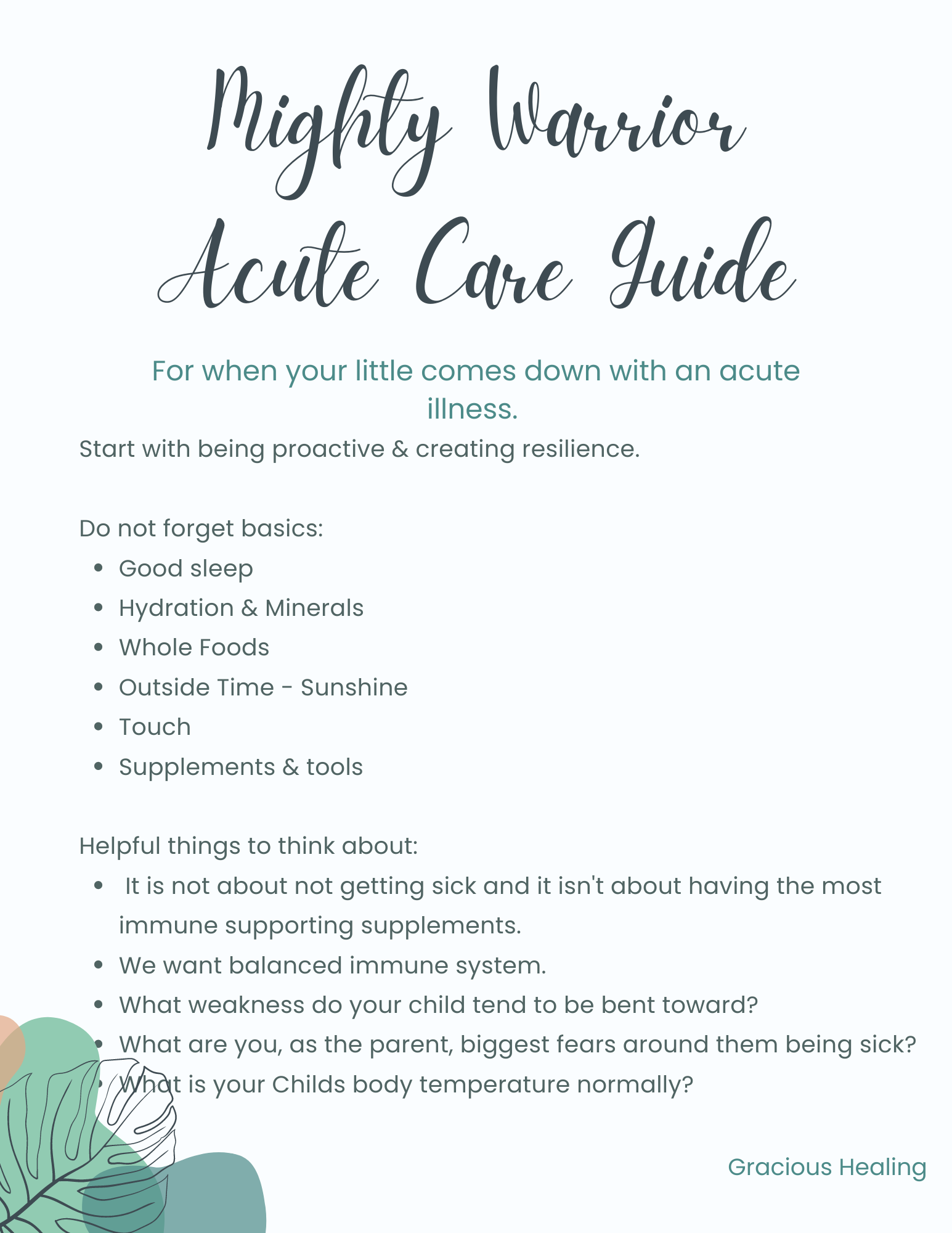
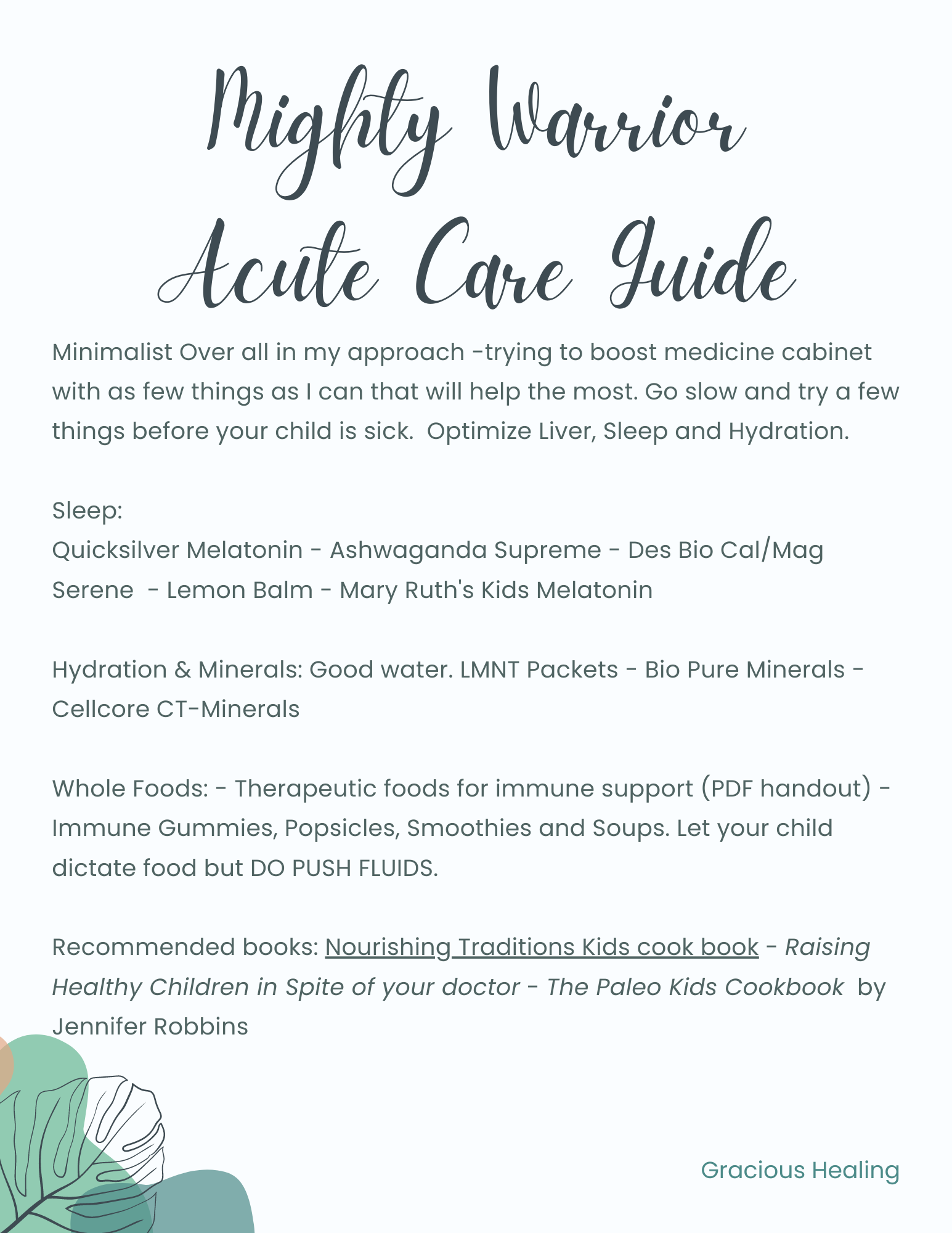
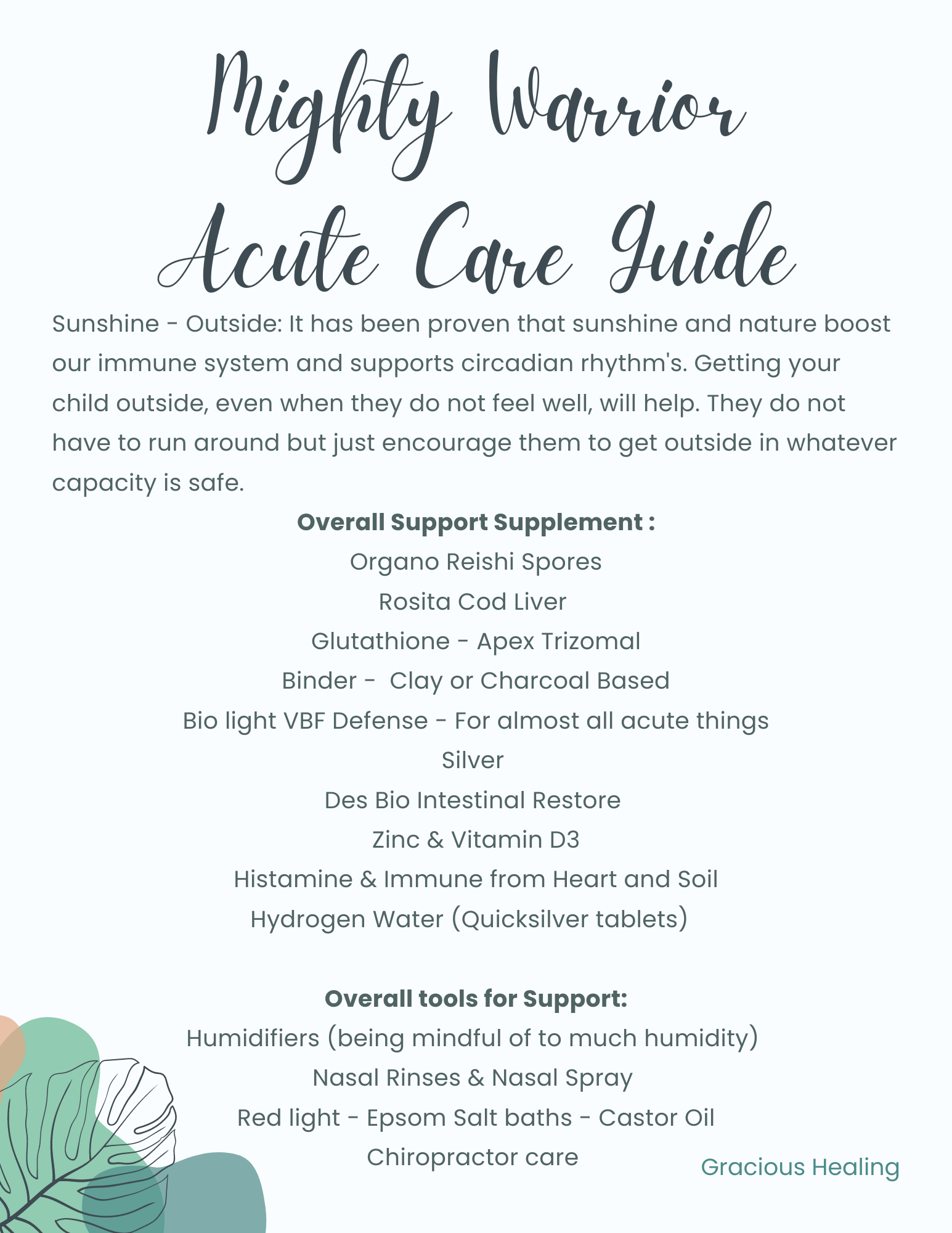
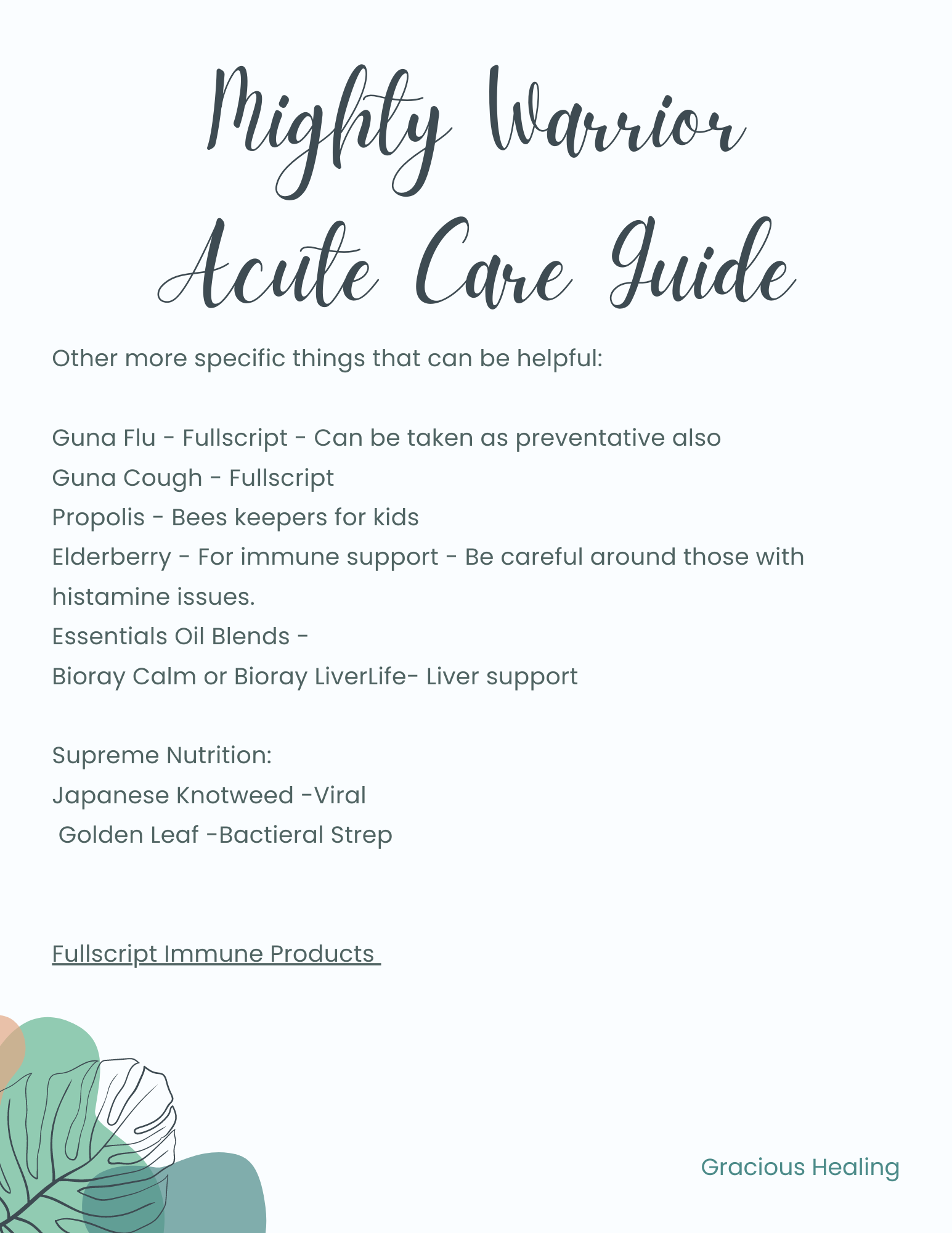
5. Become a Doctor Mom
Because there is only so much we can cover here, we would HIGHLY recommend Dr. Roumell's “Dr. Mom” membership, guides, and courses for more resources on natural medicine and at home remedies for your kids. This can also help you build a medicine cabinet for on hand remedies in addition to our Toolkit Document where we list our favorites. Her program and membership is contains specific information in regards to dosing, solutions, and age-appropriate at home care.
Dr. Roumell's Dr. Mom Free Guides, Podcast & Program Details (see downloads for her DIY Med Kit resource)
You can find her on IG: @drelanaroumell
6. Download Library
Additional tick bite resource: Here
Disclaimer: The following information is not intended to be, nor should they be construed as a claim or representation of medical diagnosis or treatment. It is for informational purposes only.